

MADE IN MODRA
Modra | > MADE IN MODRA
-
Frkacule
Handmade pasta has always been an essential component of Sunday’s bowl of soup. This pasta is made from dough cut into small diamond shapes that are rolled onto small slatted, wooden boards with a special stick. After the pasta is shaped, it is flicked (odfrkne sa) with the stick onto the pile with the rest of the pasta, which is where the name frkacule (say ferka-tsoole) comes from. The pasta is dried over the next day and is then stored. Making frkacule is very time consuming and it is not a job for everyone – it takes a lot of perseverance and experience. This makes it difficult to come by, and you will mostly find it only in local shops in Modra–Kráľová.
-
EBENICA COFFEE, COFFEE ROASTERS
What does the coffee that won a 2013 prestigious Coffee Review award and became one of the ten best espressos in Europe taste like? Be sure to come to EBENICA COFFEE in Modra to find out! In 2019, it won the Great Taste Award, the coveted food and drink award, in the espresso category for three of its coffees. At the heart of this roasting room in Modra is the Giesen roaster, which can roast up to 15 kilograms of coffee at one time. By combining hands-on production with state-of-the-art technology, Giesen is one of the best roasters in its category, guaranteeing the same great roasting quality time after time. Visit the roasting room and shop Tuesday to Friday from 9AM to 4PM.
-
Malokarpatská vínna cesta
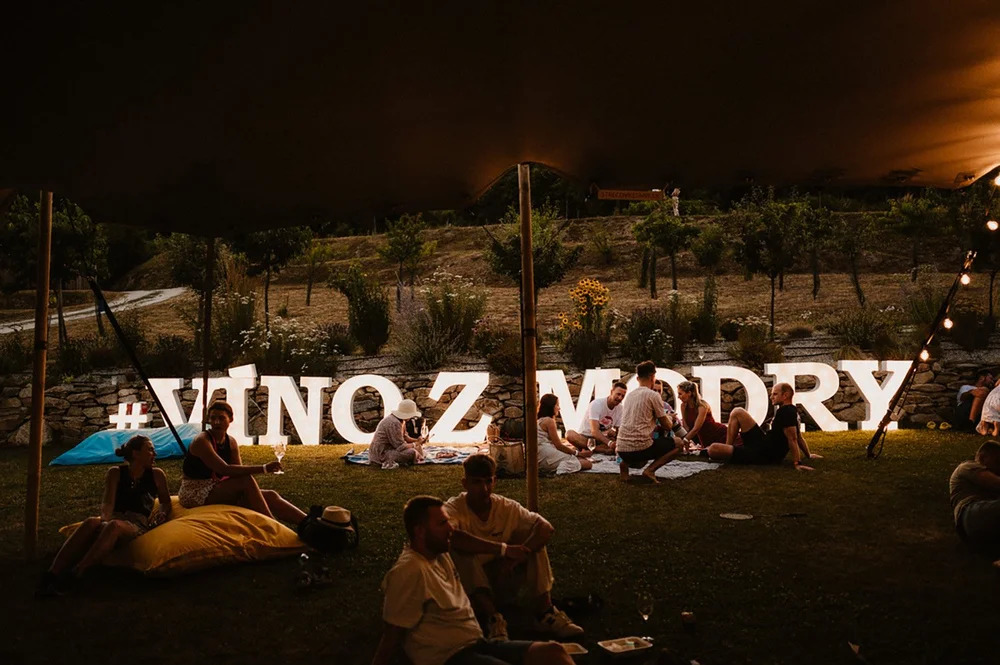
The Small Carpathian Wine Route Association (MVC) brings together the winemakers of the region, organises wine events, and also represents the Small Carpathian area internationally. Over one hundred winemakers, from Devín to Trnava, participate in Wine Cellars Open Day and St Urban’s Day of Open Wine Cellars. Locals and tourists alike sample the young wines and aged wines. The MVC website provides contact details for the winemakers and winegrowers in our area.
-
Slovenská ľudová majolika Modra
In the southern part of town, there is a complex that partially belongs to Slovenská ľudová majolika. Here you can attend workshops and wine tastings, take tours, browse in the gift shop, and see a part of the process of how majolica is made. The story of Slovenská ľudová majolika begins in 1833, when its predecessor, the ceramic-industrial vocational school, was established. In 1911, it became a joint stock company called ‘Dielňa na hlinený riad, ľudový priemysel, uč. spol.’ Ceramics families were represented in the factory, but new potters also made a significant contribution, such as Heřman Landsfeld, who created a new pattern book. In the early twenties, the company took on the new name ‘Slovenská keramika’. The products were successful at world expos and were very popular across Europe. In 1952, it took the name Slovenská ľudová majolika and became part of the union of producer associations. The association was unable to respond flexibly to market and social changes, and in 2016 it ceased production. However, the brand name has been revived over the last few years and it produces more than just traditional patterns. New designs, such as Skratky (shortcuts), Bordový lístok (claret leaf), Fialový klas (purple spike), and Modré pierko (blue feather), would brighten any home. Attend one of the workshops or events organised by Slovenská ľudová majolika and see how ceramics are made, and get a feel for the symmetry of clay, water, fire, and air.


@mesto.modra
